

NFPA 13 – Installation of Sprinkler Systems (2025 Edition)
At Burraq Consulting, we offer internationally recognized training that aligns with NFPA’s current guidelines and best practices. This program is ideal for fire protection engineers, safety officers, consultants, contractors, inspectors, and individuals involved in fire system design or installation. With industries prioritizing stronger fire safety compliance, the demand for professionals trained in NFPA 13 continues to grow rapidly across Pakistan and globally.
Duration
21 Hours | Earn 2.1 CEUs
Mode of Study
Virtual Instructor-led Training (VILT)
Locations
Online
Awarding Body
NFPA (USA)
NFPA 13 - Professional Training & Certification
The NFPA 13, Installation of Sprinkler Systems (2025 Edition) course provides a comprehensive understanding of the latest requirements for designing and installing automatic sprinkler systems in accordance with the National Fire Protection Association (NFPA). This newest edition introduces enhanced clarity, updated standards, and modern engineering practices to strengthen fire protection measures across all types of buildings and industrial facilities.
Course Overview
The NFPA 13 training is structured to deliver both theoretical and practical knowledge on sprinkler system installation. It helps learners interpret the updated code requirements, understand system components, and apply correct installation techniques to ensure efficient fire suppression.
Participants gain detailed insight into system classification, water supply requirements, hydraulic calculations, ceiling configurations, storage protection criteria, and installation rules for pipes, fittings, and sprinklers. The course emphasizes real-world applications, making it extremely beneficial for professionals responsible for designing and approving fire protection systems.
Importance of NFPA 13 Training
Proper installation of sprinkler systems is crucial for life safety, property protection, and regulatory compliance. NFPA 13 establishes the gold standard for sprinkler system installation worldwide. Completing this course gives professionals a strong competitive advantage and enhances their ability to meet local authority, insurance, and international fire code requirements.
Many industries—including manufacturing, oil & gas, petrochemical, warehousing, commercial buildings, healthcare, and education—require strict adherence to NFPA 13. With modernization in construction and increasing hazards, industries need well-trained individuals who understand the complex requirements of fire suppression systems.
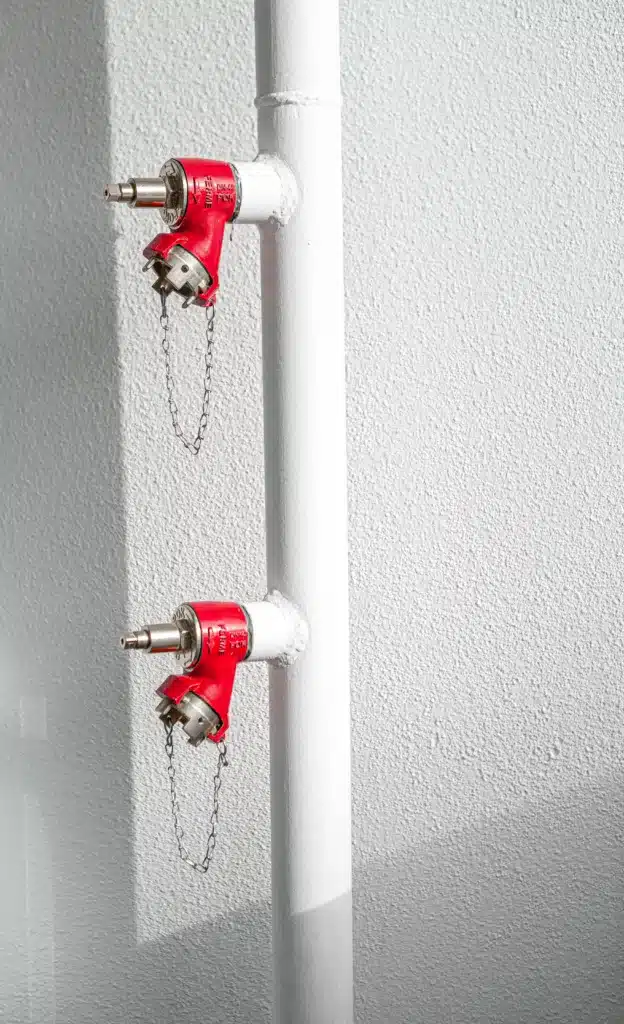
NFPA 13 Sprinkler System Training
Enroll today with NFPA authorized training provider for NFPA 13 (2025 Edition) training to learn sprinkler system design and installation. Certified fire safety course with expert instructors.
Enroll Now0304 5144 000Who Should Attend?
This course is highly recommended for:
Fire protection engineers
HSE professionals
Contractors and installers
Facility managers
Safety and risk consultants
Building inspectors and surveyors
Architects and designers involved in fire protection planning
Individuals responsible for approving, inspecting, or maintaining sprinkler systems will also benefit significantly from this training.
Training Methodology
Our NFPA 13 (2025 Edition) program is delivered by experienced fire protection specialists who bring real industry expertise into the classroom. The course includes interactive discussions, case studies, NFPA code interpretations, and live demonstrations (where possible). Training is available across Pakistan through online instructor-led, classroom, and onsite corporate formats.
Learners also receive updated course material based on the 2025 edition to ensure full alignment with the latest NFPA standards.
Request a Call Back
Course Overview for NFPA 13 Fire Sprinkler System Training
Purpose and scope of NFPA 13; its role in life safety and property protection
Definitions and terminologies: occupancy classification, hazard categories, system types, components
Types of sprinkler systems: wet-pipe, dry-pipe, preaction, deluge, storage systems, special hazard systems
Water supply considerations — pressure, flow, demand calculations
Hydraulic calculations: design area, water density, remote area calculations, system demand sizing
Impact of occupancy classification and hazard level on design parameters
Pipes, fittings, valves, hangers/ restraints, supports, backflow prevention
Installation rules for piping layout, support spacing, slope, hangars, seismic/bracing (if applicable)
Selection of sprinkler heads: standard spray, ESFR, CMSA, residential, extended coverage, etc.
Sprinkler spacing rules based on occupancy, ceiling height, storage configuration, obstruction and obstruction-free zones
Special requirements for high ceilings, sloped ceilings, storage racks, and high-pile storage
Orientation and alignment requirements (deflectors, alignment relative to ceiling or floor)
Criteria for ordinary vs. extra hazard vs storage hazard classifications
Storage protection rules: high-piled storage, rack storage, commodity classification, sprinkler coverage for storage areas
Special hazards: flammable/combustible materials, chemicals, refrigerated spaces, exposed storage, hazardous processes
Pre-installation inspection requirements and documentation
Pressure tests, flow tests, water supply verification, system flushing, backflow prevention checks
Periodic maintenance, inspection schedules, valve supervision and monitoring (as per 2022/2025 NFPA updates)
New rules for sloped ceilings and storage under slopes, updated guidance for high ceilings and storage occupancies.
Clarified definitions: supplemental sprinklers, non-flat or non-solid obstructions, Dry, Preaction and Vacuum systems, Vapor Corrosion Inhibitor (VCI) provisions.
Impact of 2025 changes on design, installation, and inspection procedures — especially for modern industrial buildings, warehouses, and storage facilities
Training Duration & Format
This NFPA 13 training is delivered over 5 days, totaling 21 hours of instruction (classroom, lecture, discussion, and exam preparation).
The time is structured to give participants the depth needed to understand advanced inspection topics, code interpretation, and hands-on scenario work.
Assessment & Certification
Upon completion of the training, learners undergo an assessment to evaluate their understanding of NFPA 13 concepts and installation requirements. Successful participants are awarded a NFPA 13 Certificate of Completion, issued by NFPA which is recognized by industry professionals, consultants, and organizations seeking compliance with international fire protection codes.
Request a Call Back
Training Objectives
The NFPA 13 – Installation of Sprinkler Systems (2025 Edition) training program is designed to equip participants with the essential knowledge and practical skills required to design, install, and evaluate sprinkler systems in compliance with the latest NFPA standards. The course focuses on technical accuracy, code interpretation, and real-world fire protection applications.
By the end of this training, participants will be able to:
1. Understand the Purpose and Scope of NFPA 13
Participants will learn the role of NFPA 13 in life safety and property protection, including how the standard governs the design and installation of automatic sprinkler systems in various occupancies.
2. Identify Sprinkler System Types and Components
Learners will gain a solid understanding of system types—wet, dry, preaction, deluge, and special systems—and understand valves, pipes, fittings, controls, and sprinkler head configurations.
3. Apply Occupancy and Hazard Classifications
Participants will be able to correctly interpret hazard classifications such as Light Hazard, Ordinary Hazard, Extra Hazard, and storage categories, and apply these classifications to system design.
4. Develop Skills in Water Supply & Hydraulic Calculations
Learners will understand water supply requirements, perform basic hydraulic calculations, and determine water demand based on occupancy type and system configuration.
5. Select and Position Sprinkler Heads Correctly
Participants will learn how to choose appropriate sprinkler types (e.g., ESFR, CMSA, standard spray, residential) and apply spacing, orientation, and obstruction rules in accordance with NFPA 13.
6. Understand Installation Requirements for Piping & Supports
The course trains participants on piping layout, valve installation, hangers and supports, seismic bracing (if applicable), and other installation criteria to ensure efficient system performance.
7. Analyze Storage Protection Requirements
Participants will understand the specialized rules for storage occupancies, including rack storage, high-piled storage, commodity classifications, and ceiling height considerations.
8. Conduct Acceptance Testing & System Verification
Learners will be able to apply NFPA 13 procedures for flushing, pressure testing, flow testing, inspection, and verification during system commissioning.
9. Interpret the 2025 Edition Updates
The course covers the latest changes in the 2025 edition, including revised definitions, new spacing rules for sloped ceilings, and updated criteria for storage protection, ensuring learners stay compliant with current code requirements.
10. Use NFPA 13 in Real-World Design & Installation Projects
Participants will gain confidence in applying NFPA 13 to actual engineering and installation scenarios through case studies, drawings, and practical examples.
Why Choose Burraq Consulting for NFPA 13 Certification in Pakistan?
Burraq Consulting is one of Pakistan’s leading providers of internationally recognized fire safety and compliance training. As an Authorized Training Provider of NFPA in Pakistan, we deliver globally accepted programs built on the latest industry standards, ensuring our learners receive accurate, updated, and credible training aligned with international fire protection best practices.
Our NFPA-certified instructors bring years of field experience in fire protection engineering, system design, inspection, and emergency response. This enables us to offer training that goes beyond theory, combining deep technical knowledge with practical, real-world insights. Whether you are an engineer, contractor, safety professional, or facility manager, our courses help you develop the skills needed to implement and maintain compliant, high-performance fire protection solutions.
We take pride in offering flexible learning formats—including online instructor-led training, classroom sessions, and onsite corporate workshops—allowing organizations and individuals to choose the mode that best fits their schedule and operational needs. Our course material is based strictly on the latest NFPA standards, ensuring that learners receive accurate, up-to-date, and code-compliant information.
Burraq Consulting is also known for its commitment to quality, professionalism, and learner support. From enrollment to certification, our team ensures a smooth learning experience, with responsive assistance, clear guidance, and expert mentorship. Our training programs are trusted by top industries in Pakistan, including oil & gas, manufacturing, construction, healthcare, logistics, and government organizations.
When you choose Burraq Consulting, you choose credibility, global recognition, expert instruction, and complete alignment with NFPA standards—empowering you to enhance safety, achieve compliance, and grow your professional career in the fire protection field.
Feel free to Get in Touch
Our representatives are more than happy to assist you further. Please do not hesitate to reach us out.